Redesigning Workplaces for Menstrual Equity
The conversation we need today is not about mandatory leave—it is about redesigning systems that were never built with women in mind.
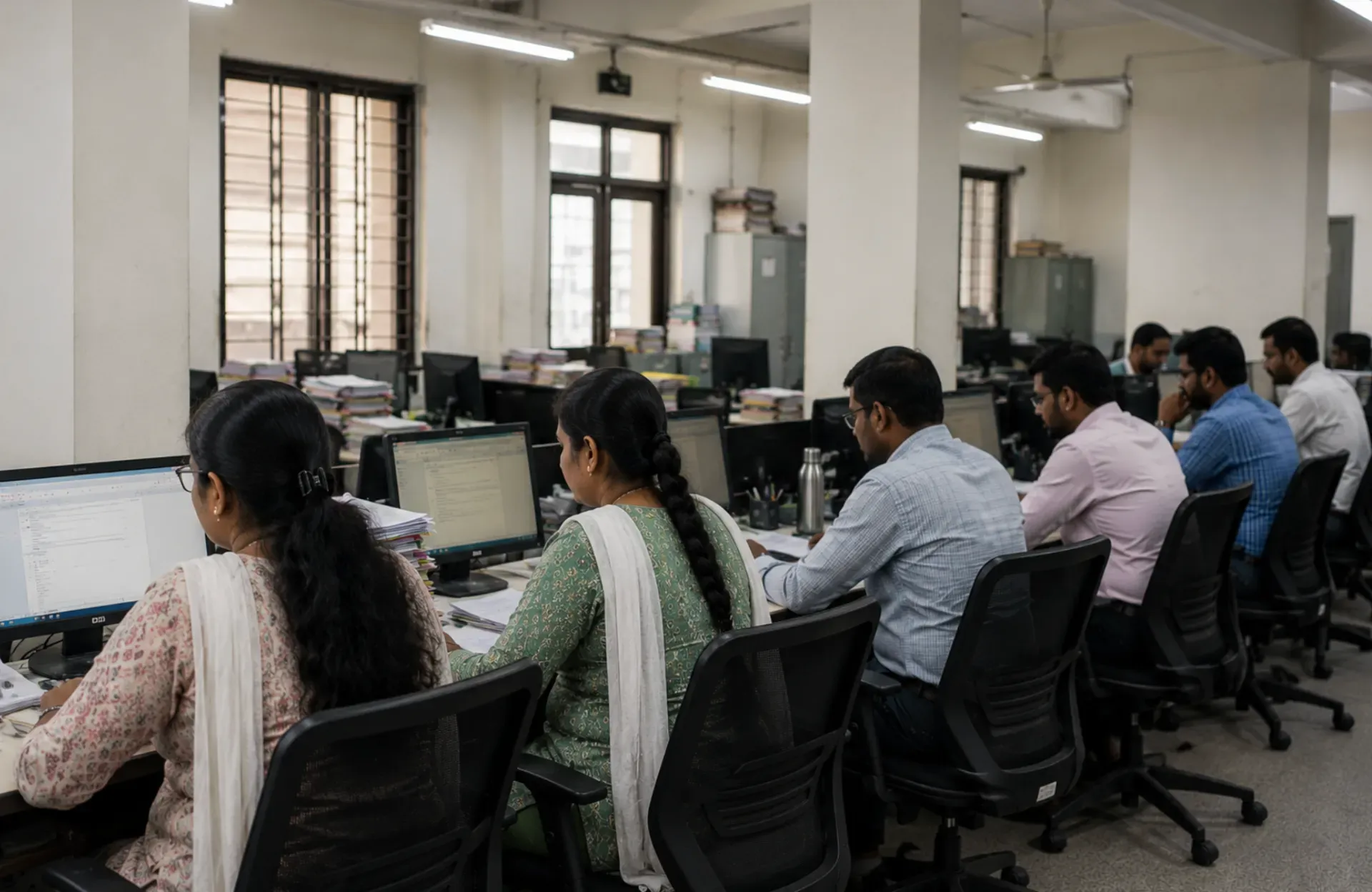
The Supreme Court declined a petition on mandatory menstrual leave, raising concerns about its impact on women’s employability.
If menstrual leave becomes a legal mandate, employers might begin to see women as a more expensive workforce and hiring bias could deepen.
The decision has triggered a national debate.
Some say the ruling denies women dignity. Others say menstrual leave will harm women’s careers.
But the issue goes far beyond menstrual leave. The real problem isn’t mandatory menstrual leave. The real problem is how our workplaces understand menstruation.
For millions of women in India menstruation at work still means:
- Sitting through meetings while battling severe cramps
- Working in factories without access to clean toilets
- Hiding sanitary pads like contraband
- Being told pain is “normal” and productivity must continue
And for some women, menstruation is not just discomfort. Conditions such as endometriosis, adenomyosis, and severe dysmenorrhea can cause debilitating pain, fatigue and heavy bleeding that make even routine work extremely difficult.
And yet these realities rarely enter workplace policy conversations.
Menstruation is not a uniform experience. Expecting one rule to capture every experience misses the complexity of women’s bodies and lives.
What workplaces truly need is choice and empathy.
If workplaces were truly menstrual friendly, women would not have to fight for this policy.
Imagine organisations where:
- Clean toilets and safe disposal systems are standard
- Menstrual health awareness is normal for everyone, not just women
- Pain and conditions like endometriosis are recognised as legitimate health issues
- Flexible work options and optional menstrual leave are available when needed
In such workplaces, menstrual leave becomes a choice.
The Supreme Court has previously recognised menstrual hygiene as integral to a girl’s right to life, dignity, health and education. That recognition is powerful.
Because menstrual equity is not just about time off. It is about dignity, infrastructure, awareness and empathy.
Perhaps the conversation needs to shift.
Instead of asking: “Should women get mandatory menstrual leave?”
We should be asking:
Why are workplaces still designed without considering menstruation as part of working life?
Until we fix that, policies alone will never solve the problem.
The conversation we need today is not about mandatory menstrual leave. It is about redesigning systems that were never built with women in mind.
And that conversation is long overdue.
#MenstrualHealth #WomenAtWork #PeriodFriendlyWorkspace #MHM #MHH #MenstrualLeave